Monday, June 11, 2012

Pharmacology of N-Isopropyloctopamine


Introduction
N-Isopropyloctopamine (Betaphrine, Isopropylnorsynephrine) is a chemically modified version of octopamine which possesses a more favorable pharmacodynamic profile. It was made famous in the 2011 study which examined the effects of Bitter Orange extracts on lipolysis. The authors noted:
...their common isopropyl derivative, isopropylnorsynephrine (also named isopropyloctopamine or betaphrine), was clearly lipolytic: active at 1 μg/ml and reproducing more than 60% of isoprenaline maximal effect in human adipocytes. This compound, not detected in C. aurantium, and which has few reported adverse effects to date, might be useful for in vivo triglyceride breakdown. [1]

Pharmacodynamics, Pharmacokinetics, & Structural Activity
Before we analyze N-isopropyloctopamine, we should review its chemical cousin: Octopamine.


Octopamine is a very specific, and weak, beta-3-receptor agonist in mammals [2, 3]. It has no physiologic ability to activate any other adrenergic receptor. Unfortunately, its ability to activate beta3 receptors in mammals does not translate to fat loss in humans. In the study Selective activation of beta3-adrenoceptors by octopamine: comparative studies in mammalian fat cells, the authors revealed:
Octopamine was the only amine fully stimulating lipolysis in rat, hamster and dog fat cells, while inefficient in guinea-pig or human fat cells, like the beta3-AR agonists.

Another study by Visentin et al. noted:
Human subcutaneous adipocytes constituted another model in which octopamine hardly activated lipolysis and did not inhibit insulin action. However, octopamine was able to activate glucose uptake into these cells in an oxidation-dependent manner...[3]

What this means is that not only was octopamine not able to activate any lipolysis in human fat cells, but that it was distinctly lipogenic by enhancing insulins ability to drive glucose into adipose tissue.

N-isopropyloctopamine (NIPO), on the other hand, possesses a bulky N-alkyl group which alters its receptor dynamics completely. Instead of relying on beta-3-receptor agonism for its induction of lipolysis, N-isopropyloctopamine fully agonizes the beta-1 & beta-2 receptor.
This compound was a highly beta selective, direct-acting adrenergic agonist,...[and] without appreciable selectivity for either beta-1 or beta-2 receptors [4] 
In humans, the beta-3 receptor is a very poor target for fat loss, whereas beta-2 agonism is more than adequate. Unfortunately, although NIPO fully agonizes beta adrenergic receptors, it is very weak:  "approximately 200- and 440-fold less potent than isoproterenol. [4]" Kinetically, its bioavailability is likely extremely poor - as is the case most para-hydroxylated phenylethylamine derivatives. Similarly, the para-hydroxyl also precludes BBB penetration, and so central effects like euphoria, increased attention, or insomnia, will be absent. Lastly, although the addition of the isopropyl group extends its half-life relatively, it will still be quite low (30 min - 2 hours maximum).

Summary
Ultimately, N-isopropyloctopamine will not likely produce exceptional results - especially in the context of fat loss. Furthermore, although N-isopropyloctopamine is offered in various fat burning/energy suppplements, it is explicitly non-FDA and non-DSHEA approved. The good news is that it has no appreciable alpha adrenergic agonism, and so signs of symptoms of high blood pressure will likely be absent [4].


References
[1] http://www.ncbi.nlm.nih.gov/pubmed/21336650 
[2] http://www.ncbi.nlm.nih.gov/pubmed/8106131
[3] http://jpet.aspetjournals.org/content/299/1/96.long
[4] http://www.ncbi.nlm.nih.gov/pubmed/6306210

Saturday, May 5, 2012

Pharmacology of Higenamine


Introduction
Higenamine (demethylcoclaurine, DMC), a tetrahydroisoquinoline-type compound extracted from Tinospora crispa and various other plants, is the newest attempt by the supplement industry at producing a DSHEA-compliant stimulant. In contrast to N-methyltyramine, P-Phenethylbenzamide (mislabeled N-phenethylbenzamide), and N-coumaroyldopamine, higenamine actually has some potential in the context of adrenergic signaling.

Pharmacodynamics
In comparison to the compounds listed above, research on higenamine has produced numerous en vitro and en vivo research articles over the last few decades. Reaffirmed in the literature as recently as March 2012, higenamine was demonstrated to possess potent beta-1 and beta-2 receptor agonism [1]. Due to its ability to elevate both plasma and intracellular cAMP levels, it is also being studied for the treatment of erectile dysfunction [2]


And although the greater majority of higenamine's effects are mediated through beta receptor agonism, there is also some evidence that higenamine has some alpha-1 blocking capacity, along with weak alpha-2 agonism [3].

Physiology
In the March 2012 article published in the Journal of Ethnopharmacology, higenamine produced effects congruent with beta-1 agonism (increased heart rate), and beta-2 agonism (decreased Mean Arterial Pressure) in anesthetized rats [1]. The latter may also be partially attributed to its alpha-1 antagonism/alpha-2 agonism, since higenamine has previously been shown to reduce diastolic pressure [4]. Beta-receptor agonism is a known mechanism for acetylcholine (Ach) release at the  Neuro-Muscular Junction (NMJ), and indeed higenamine has demonstrated this effect [5]. Increasing Ach concentration at the NMJ is an established means of increasing contractile strength of skeletal muscle. Presently, no study has been performed in the context of fat loss, and its kinetic limitations nearly preclude any significant lipolytic effects, despite beta agonism.

Pharmacokinetics
Intravenous (IV) administration of higenamine in rabbits produced a terminal half-life of approximately 22 minutes, whereas IV administration in humans produced a terminal half-life of approximately 8 minutes [6, 7]. The bioavailability of orally administered higenamine in rabbits was also determined to be between 2-5% [7]. No human bioavailability studies currently exist for oral administration, although humans have much more efficient intraluminal & intrahepatic metabolic processes, and so the oral bioavailability of higenamine should be much less then that of rabbits.

Structure Activity Relationships
Higenamine possesses the familiar phenylethylamine pharmacophore and so its ability to interact with adrenergic receptors should not be surprising.


Similarly, it has an alpha-methyl substituent within its piperidine conformation which should effectively inhibit deamination via MAO (See Desoxypipradrol).


Structure activity relationship studies on higenamine derivatives have revealed that the 6-OH on the tetrahydroisoquinoline skeleton is a necessary constituent for adrenergic agonism. Methylating this position completely precludes any adrenergic acitivty, and in fact, creates a physiological antagonist [8]. This is important because COMT will likely create this species as a metabolite. After 1-2 half-lives (8-16 minutes), the main physiological effect will likely come from its inhibitory metabolites, rather than the stimulatory parent compound.

Higenamine, in contrast to its non-hydroxylated cousin 1-Benzyl-1,2,3,4-tetahydroisoquinoline, likely possesses limited neurotoxic characteristics due to its limited ability to enter the CNS.


Summary
Higenamine definitely has the most potential of any stimulant introduced since 1,3-DMAA. Unfortunately, as the pharmacokinetic studies validate, higenamine possesses highly reactive metabolic hydroxyl substituents which limits bioavailability, and greatly reduces its half-life. Furthermore, the hydroxyl substituents also greatly reduce BBB permeability, and therefore the CNS effects common to other phenylethylamine-piperidin analogues will be absent (Pipradrol, Methylphenidate, Desoxypipradrol). Thus, the relevancy of this compound will be hard to rationalize.


References
[1] http://www.ncbi.nlm.nih.gov/pubmed/22265931
[2] http://www.ncbi.nlm.nih.gov/pubmed/21956762
[3] http://www.chinaphar.com/1671-4083/7/208.pdf
[4] http://www.ncbi.nlm.nih.gov/pubmed/11953198
[5] http://www.ncbi.nlm.nih.gov/pubmed/11953198
[6] http://www.ncbi.nlm.nih.gov/pubmed/21393074
[7] http://www.ncbi.nlm.nih.gov/pubmed/8968531
[8] https://www.jstage.jst.go.jp/article/jphs1951/50/1/50_1_75/_pdf
[9] http://www.ncbi.nlm.nih.gov/pubmed/19384584

Saturday, April 21, 2012

New Phenylethylamine Derivatives

Two new phenylethylamine derivatives are speculated to exist on the supplement market. I will briefly discuss their pharmacology below.

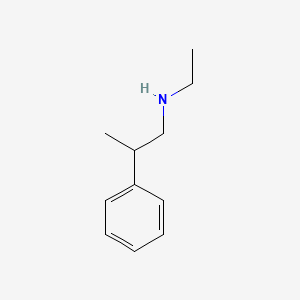
N-Ethyl-2-phenylpropan-1-amine

Synonyms: N-ethyl-Beta-Methylphenylethylamine
CID 15788198

Years ago the supplement industry released Beta-MethylPhenylethylamine (b-methyl-PEA) in an attempt to enhance the effects of phenylethylamine without impinging on the Federal Analog Act (FAA). These guidelines were developed to restrict the production of designer amphetamines through chemical manipulation. B-methyl-PEA was able to side step these guidelines, and since it was easily isolatable in various plants, its legality was rarely in question. Unfortunately, the same chemical nature which made it easily side step FAA also made it inert at even large doses. As Shulgin determined decades ago, a beta-methyl group is too far away from the nitrogen to sterically protect against MAO, and therefore the differences between regular PEA and b-Methyl-PEA are negligible.

N-ethyl-Beta-Methylphenylethylamine, on the other hand, possesses a fairly bulky ethyl substituent coming off the nitrogen. This substituent should protect the nitrogen from rapid MAO deamination, and therefore prolong the drugs half life significantly (See: Amphetamine vs. N-ethylamphetamine). Pharmacodynamically, this drug will act no different then regular PEA, although its longevity will enhance its catecholamine "releasing" properties, especially with acute supplementation. Similarly, the N-ethyl group will also increase the compounds amphipathism, which may expedite CNS penetration.


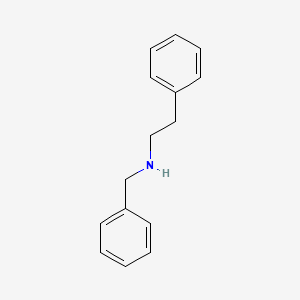
N-Benzyl-2-phenethylamine

Synonyms: Benethamine, N-Benzyl-2-PEA
CID 65055

Extensive research with alpha-methylated derivatives of this compound (See: Benzphetamine, N-Benzylamphetamine) indicate that the main metabolite of N-Benzyl-2-PEA will be PEA. Similar to the compound previously discussed, the N-benzyl substituent will likely enjoy a longer half life than regular PEA. It should offer more CNS penetration due to the non-polarity of the benzyl moiety. The main difference between PEA and its N-benzyl derivative is that the latter may produce a local anesthetic effect relating to sodium channel inhibition. It may also possess weak sigma receptor proclivity in addition to theoretical 5-HT(2A) agonism.

In summary, these compounds may indeed be superior pharmacological derivatives of phenylethylamine, although vastly inferior to alpha-substituted analogues. N-benzyl-2-PEA is a constituent of the Erythropalum scandens species, and so is likely DSHEA compliant (1). Unfortuantely, no animal or human study exists, and the potential for negative health effects, although unlikely, are not excluded.

(1) Erythropalum scandens: http://japsonline.com/admin/php/uploads/283_pdf.pdf


Sunday, January 1, 2012

Pharmacology of Nootropics Volume 1


Introduction
Piracetam is a derivative of GABA which was originally designed to be an anxiolytic. Later testing revealed that it had no sedative or GABAergic effects, however it demonstrated an ability to enhance learning and cognition in some animal models. Further studies revealed a global cerebroprotective effect in the context of dementia, hypoxia, and other brain impairments.

In addition to its lack of GABAergic activity, it also lacks dopaminergic, anticholinergic, and antihistaminergic activity. Its one notable receptor interaction includes glutaminergic modulation at the NMDA and AMPA receptors.

Pharmacodynamics
Piracetam's ability to positively modulate the glutamate NMDA channel has been known for decades, however its ability to interact with the AMPA receptor is a fairly new discovery (1). Although piracetam binds to the AMPA receptor with a much lower affinity than the ampakines or aniracetam, it can bind to multiple sites on the AMPA receptor and may potentiate the effects of these agents acting on the AMPA receptor. Similarly, positively modulating the AMPA receptor itself increases the activation of the NMDA receptor, and so piracetam can be considered to be somewhat self-potentiating.

CNS Activity
Although piracetam does not directly activate any receptor, it positively modulates certain CNS glutaminergic receptors through allosteric activation. Allosterism is a dynamic method of facilitating receptor activation by binding to a receptor subunit that is distant from the agonist binding site. One of the advantages of allosteric activation is that it supports receptor activation even in the presence of physiological receptor antagonists (barbiturates, benzodiazepines, alcohol). Similarly, allosterism prevents receptor over-activation in the presence of excessive agonist (glutamate). The latter characteristic is one of the modalities by which piracetam helps to prevent brain excitotoxicity in the context of hypoxia or traumatic brain injuries.

The NMDA receptor is a voltage-dependent ion channel that allows calcium to enter the neuron along its concentration gradient after activation by glutamate and glycine (or D-serine). Normally, this channel is blocked by a positively charged magnesium ion which is attracted to the negatively charged intracellular compartment. In order for the magnesium ion to be displaced, the intracellular environment must possess a net positive charge.


This circumstance is made possible when glutamate first activates the AMPA channel. These channels then allow the rapid influx of positively charged sodium ions which results in a temporary reversal of polarity of the intracellular compartment.


After influx through the NMDA channel, ionic calcium is able to activate various enzymes including those that increase the transcription of various genes.

The Theory
The NMDA receptor is intricately linked to memory encoding and storage. As mentioned above, activating the receptor causes the transcription of products responsible for neuronal plasticity, growth, and survival. These include the growth hormone Brain Derived Neurotrophic Factor (BDNF) and its receptor trkB (4, 5, 6, 7). Increasing BDNF is one of the mechanisms by which antidepressants reverse depression. Similarly, agents which potentiate the NMDA receptor (via potentiating the AMPA receptor) have demonstrated cognitive enhancing abilities in normal non-human primates, as well as the ability to completely reverse sleep deprivation (8, 9). Conversely, NMDA antagonists like ketamine and phenylcyclidine are well known to disrupt cognition, and impair memory formation.

In addition to enhancing glutaminergic neurotransmission, piracetam also effects, and is effected by, the cholinergic system. This system consists of 2 families of receptors (metabotropic & ionotropic) and its ligand, acetylcholine (Ach). In dementia and cognitive decline, both types of receptors are diminished along with the production of acetylcholine. The reason for the latter is due to a generalized death of acetylcholine producing neurons in the hippocampus, and due to diminished production of the enzyme choline acetyl transferase. The latter is responsible for the reason that supplementing with acetylcholine precursors has little impact on cognition in dementia, whereas compounds that prevent the degredation of acetylcholine (Acetylcholinesterase Inhibitors) markedly improve dementia symptoms.

One of the reasons why acetylcholine is able to improve cognition and memory is due to its effects on the NMDA receptor. Specifically, agonizing the M1 acetylcholine receptor enhances the responsiveness to NMDA stimulation by causing the pre-synaptic release of glutamate (10). Similarly, agonism of nicotinic Ach (nAch) receptors on post-synaptic neurons synergizes with the AMPA receptor in reversing the polarity of the intracellular environment, thereby encouraging NMDA activation (11). The densities of both types of receptors are diminished in dementia and mild-cognitive decline. In rats, piracetam has demonstrated the ability of restoring metabotropic Ach receptors in the frontal cortex of aged rats, along with facilitating the release of acetylcholine in the hippocampus (2). In another rat experiment, combining choline and piracetam together resulted in a profound enhancement of memory formation versus either compound used alone (13).


The Reality
Unfortunately, piracetam has never demonstrated a clear benefit in healthy humans. Even in mice studies, young healthy animals are generally immune to the effects of piracetam (2). The reason for this dichotomy is due to piracetams low potency at the NMDA receptor, and even lower potency at the AMPA receptor. Since the NMDA receptor is reliant upon the AMPA receptor for activation, piracetam is pharmacodynamically challenged.

As recent studies have demonstrated, the main modality by which piracetam is now thought to enact its cerebroprotective effect is by enhancing the fluidity of the lipid bilayer; specifically, the fluidity of the mitochondrial membrane (3). The exact mechanism for this characteristic is unknown, although we do know that piracetam possesses no radical scavenging properties.

 In the aged brain, complexes I and IV of the electron transport chain (ETC) become less active and result in the unchecked production of reactive oxygen species (ROS) which ends up damaging the DNA and cell membrane. Piracetam has been shown to increase the activity of both complexes and it has been suggested that this characteristic may support mitochondrial longevity.

In addition to supporting the energetic needs of the neuron, the mitochondria also regulates intracellular calcium and prevents it from activating deleterious enzymes and cascades. As discussed above, piracetam is an allosteric regulator of the NMDA channel and prevents excessive calcium influx. Similarly, by restoring the fluidity of the mitochondrial membrane, piracetam enhances the mitochondrial's ability to sequestor calcium.

The vast majority of healthy adults who use piracetam have sufficient mitochondrial membrane fluidity, and therefore piracetam's ability to enhance cognition through this mechanism is muted.


Enhancing the Effects of Piracetam
Piracetam has multiple known mechanisms for encouraging memory formation and cognition. Unfortunately, most of the effects are only observed in the context of abnormal brain function. Luckily, due to recent studies which have more comprehensively examined the mechanisms behind piracetam, it is possible to increase the effects of piracetam through synergisms.

As noted above, piracetam has been shown to increase the activity of Complexes I and IV of the ETC. Piracetam has also been shown to support mitochondrial longevity and function by enhancing membrane fluidity.


Coenzyme Q10 (CoQ10) is a fat soluble compound which participates in the ETC as an electron acceptor from Complex I and II. Relative deficiencies of CoQ10 have generalized deleterious effects on the body, mostly as a result of mitochondrial dysfunction. Supplemental CoQ10 has a multitude of health benefits including limiting membrane peroxidation, and reducing ROS formation. The latter two mechanisms would naturally support mitochondrial longevity and function, and synergize well with piracetam. Co-supplementing with Vitamin E helps to regenerate the active form of CoQ10, ubiquinol from its oxidized form, ubiquinone. There is also some evidence that the combination increases tissue retention of CoQ10 (14). Keep in mind that these effects would require chronic supplementation in order to be observed, and that the effects will be much more pronounced in those experiencing progressive memory decline.

The next mechanism by which piracetam may enhance cognition is by supporting cholinergic neurotransmission. Studies have shown that piracetam increases the density of metabotropic acetylcholine receptors in the cerebral cortex, and that it facilitates neuronal acetylcholine release in the hippocampus. The former mechanism may support attention and working memory through norepinephrine release and the latter may support cognition by downstream mechanisms involving the NMDA receptor. Acetyl-L-Carnitine (ALCAR) has been shown to increase the production of metabotropic glutamate receptors in various parts of the brain, although not in the hippocampus. The significance of this effect is unclear, especially in relation to cognition. One of the biggest mechanisms by which ALCAR may synergize with piracetam is by enhancing the production of acetylcholine by amplifying the enzyme choline acetyl transferase (15).


As mentioned above, the aged and demented brain has a diminished production of choline acetyl transferase. This enzyme is responsible for converting acetylcholine precursors into acetylcholine. Without an ability to maintain an acetylcholine reserve, Ach receptors slowly down-regulate resulting in self-perpetuating cognitive deterioration. Futhermore, since Ach receptors are intimately linked to the glutaminergic system, a decrement in Ach or Ach receptors will result in diminished BDNF production, thereby removing the signal for neuronal growth and survival.


Summary
Piracetam is the grandfather of nootropics and has been studied for the last 50 years. The effects of piracetam are subtle, even in the context of brain pathology. There is some evidence that its beneficial effects may accumulate over longer periods of time. The dosage of piracetam required to meet the minimum threshold for physiological significance is 5 grams per day. In order to maximize the effects of piracetam, the addition of CoQ10, Vitamin E, and ALCAR, should warrant contemplation. Similarly, supplementing with a choline source (Lecithin, CDP-Choline, Alpha-GPC) is a logical assumption based on the mechanisms proposed above, in addition to the rat study which demonstrated synergism. Utilizing an acetylcholine esterase inhibitor (AchEi) is a more advanced protocol and will be discussed in the next article.


References
(1) http://www.ncbi.nlm.nih.gov/pmc/articles/PMC2872987/?tool=pubmed
(2) http://www.springerlink.com/content/r2n324624xt644j7/
(3) http://www.ncbi.nlm.nih.gov/pubmed/9037245
(4) http://www.ncbi.nlm.nih.gov/pubmed/20095391
(5) http://www.sciencedirect.com/science/article/pii/B9780080450469008299
(6) http://www.ncbi.nlm.nih.gov/pmc/articles/PMC3073526/?tool=pubmed
(7) http://www.ncbi.nlm.nih.gov/pubmed/12663749
(8) http://www.ncbi.nlm.nih.gov/pubmed/16104830
(9) http://www.ncbi.nlm.nih.gov/pubmed/22054117
(10) http://www.ncbi.nlm.nih.gov/pmc/articles/PMC33643/
(11) http://jpet.aspetjournals.org/content/280/3/1117.short
(12) http://www.sciencedirect.com/science/article/pii/0091305784902168
(13) http://www.sciencedirect.com/science/article/pii/0197458081900075
(14) http://jn.nutrition.org/content/130/9/2343.short
(15) http://www.ncbi.nlm.nih.gov/pubmed/7563233
(16) http://www.ncbi.nlm.nih.gov/pmc/articles/PMC2944646/?tool=pubmed

Wednesday, December 14, 2011

Pharmacology of N-Coumaroyldopamine


Introduction
N-coumaroyldopamine is a novel phenylpropenic acid derivative extracted from Theobroma cacao and was recently demonstrated to agonise the beta-2 receptor en vitro (1, 2). The beta-2 receptor is the most effective mechanism for the induction of fat loss in humans, and the search for natural beta-2 agonists has developed renewed interest from supplement manufacturers.

Pharmacokinetics
N-coumaroyldopamine is highly susceptible to metabolism by Catechol-O-Methyl-Transferase (COMT) due to its 2 meta-phenolic hydroxyl substituents. COMT can also methylate the para positions, but with lower fidelity due to regioselectivity of the COMT isoforms. This enzyme is found in the gastrointestinal mucusoa, the liver, and the periphery, and is a very effective at deactivating catecholamines. Similarly, the phenolic hydroxyls are subject to Phase II metabolism in which the -OH groups are conjugated to more water soluble substituents for more rapid excretion.

Dobutamine, a structurally similar pharmaceutical drug used to increase cardiac contractility, is designed strickly for parental or intravenous administration due to its exceptionally poor bioavailability.

Conversely, dobutamine will not undergo hydrolysis at its amine, and is therefore actually more metabolically stable then N-coumaroyldopamine. Even so, dobutamines half-life is only 2 minutes due to the metabolic processes described above.


Dopamine Prodrug
As mentioned above, another of N-Coumaroyldopamine's metabolic pathways involves hydrolysis of its amide bond.


Due to the ubiquity of biological hydrolases, the main metabolites of N-Coumaroyldopamine will be Dopamine and a cinnamic acid analogue.


Pharmacodynamics
In the study which examined the adrenergic potential of various Theobroma cacao constituents, N-Coumaroyldopamine was demonstrated to possess highly specific beta-2 adrenergic potential. This is consistent with the literature with regards to the Structure Activity Relationship (SAR) of catecholamine pharmacodynamics. In its unmetabolized form, N-Coumaroyldopamine possesses (1) a meta-OH substituent which allows stronger interaction with the adrenergic receptor and (2) a bulky, fairly nonpolar, substituent coming off the nitrogen. The latter is responsible for increased beta receptor affinity (See Image below).


Summary
N-Coumaroyldopamine is a highly selective beta2 agonist only in its unmetabolized form. Unfortunately, it is exceptionally vulnerable to multiple metabolic processes which makes its ability to actually reach systemic circulation highly unlikely. As a dopamine prodrug, N-coumaroyldopamine will likely also fall short. Successful dopamine prodrugs, like Docarpamine, are generally designed to be resistant to COMT and Phase II metabolism, whereas N-coumaroyldopamine is vulnerable to both.


Moreover, the 4 hydroxyl-phenolic substituents makes the parent compound highly hydrophillic which precludes BBB penetration. Other dopamine prodrugs have been developed which seek to increase CNS penetration by increasing the amphipathic nature of the drug. For example, this carbamate ester dopamine prodrug has demonstrated exceptional BBB penetration.


Ultimately, N-coumaroyldopamine has very little potential from a pharmacokinetic standpoint, and even less from a dynamic standpoint since it will not be intact by the time it arrives at the adrenergic receptor. In the presence of a strong COMT inhibitor, this compound may effectively deliver dopamine to the peripheral vasculature, and act as a mild vasodilator - particularly in the kidney's. Its half-life may also be slightly increased with conjugation inhibitors like piperine or quercetin. Unfortunately, it will not likely deliver dopamine to the brain even in the presence of metabolism inhibitors due to the high electronegativity of the cinnamic acid region of the compound.

In conclusion, N-coumaroyldopamine has great marketing potential for companies who are trying to eliminate DMAA from their products due to the recent en vitro studies. From a pharmacological standpoint, it will undubitably fall on its face in light of the hundreds of pharmaceutical papers which have examined similar compounds for the last 50 years.


References:
(1) http://www.pl.barc.usda.gov/downloads/jp41.pdf
(2) http://www.fasebj.org/content/19/6/497.full.pdf